 Store Locator
 Track your Order
Your cart is currently empty!



Vitamins are a class of organic compounds that your body needs in small amounts to carry out essential functions for growth, development, and maintenance. They are considered “essential” because, for the most part, the body cannot produce them on its own, making dietary intake crucial.
Understanding the Role of Vitamins
Vitamins act as catalysts and regulators for countless bodily processes. They play a vital role in everything from converting food into energy (metabolism) to defending the body against illness (immune response) and repairing cellular damage.
The Two Major Categories of Vitamins
Vologists categorize vitamins based on how the body absorbs them:
- Fat-Soluble Vitamins: These dissolve in fat and are stored in the body’s fatty tissues and liver. (Vitamins A, D, E, K).
- Water-Soluble Vitamins: These dissolve in water and are not easily stored. They must be consumed regularly. (Vitamin C and the B-Complex group).
Vitamin A and Visual Health
Often known as Retinol, Vitamin A is critical for good vision, particularly in low light. It also plays a key role in the differentiation of cells, supporting healthy skin, bones, and the overall function of the immune system.
The Power of the B-Complex Family
The eight B vitamins are essential for converting the food we eat (carbohydrates) into energy. Specific B vitamins, especially B12 (Cobalamin) and B9 (Folate/Folic Acid), are fundamental for nerve health and the creation of DNA and red blood cells.
Vitamin C: The Immune Booster
Vitamin C (Ascorbic Acid) is a potent antioxidant. Its primary roles include protecting cells from damage caused by free radicals, boosting the immune response, and aiding in the production of collagen, a protein vital for skin, tendons, and blood vessels.
Vitamin D: Bone Strength and Immunity
Known as the “Sunshine Vitamin,” Vitamin D is crucial for calcium absorption, thereby supporting strong bones and teeth. Research also highlights its powerful influence on mood and immune regulation.
Vitamin E as an Antioxidant Shield
Vitamin E is another powerful antioxidant that protects cell membranes from damage, particularly in the brain, eyes, and skin. It is essential for a functioning immune system and plays a role in regulating gene expression.
Vitamin K’s Crucial Role in Coagulation
Vitamin K is essential for blood clotting (coagulation). Without it, the body would not be able to stop bleeding. It also plays a supportive, but vital, role in bone metabolism and density.
Sourcing Vitamins Through a Balanced Diet
The best way to obtain all necessary vitamins is through a diverse and balanced diet. Leafy greens, fresh fruits, whole grains, nuts, and lean proteins offer a comprehensive spectrum of both fat- and water-soluble vitamins.
The Link Between Vitamins and Metabolism
Nearly every B vitamin is involved in the metabolic process, acting as coenzymes to help enzymes break down food components (fats, proteins, and carbohydrates) into usable energy (ATP). A deficiency in B vitamins can lead to persistent fatigue.
Recognizing Common Vitamin Deficiencies
Severe vitamin deficiency can lead to specific diseases, such as Scurvy (lack of Vitamin C) and Rickets (lack of Vitamin D). Milder deficiencies often manifest as chronic fatigue, frequent illness, and poor skin health.
Who Needs Vitamin Supplements?
While most healthy adults get enough vitamins from their diet, supplements may be necessary for specific groups: Vegans (B12 deficiency risk), pregnant women (Folate/Folic Acid), the elderly (D and B12 absorption issues), and those with certain malabsorption diseases.
Understanding the Risk of Vitamin Toxicity
More is not always better. Fat-soluble vitamins (A, D, E, K) can accumulate in the body. Excessive intake, particularly of Vitamin A and D, can lead to serious health issues, including liver damage and hypercalcemia.
Vitamins in the Modern Wellness Landscape
Today, vitamins are integral to the wellness industry, being offered in capsules, gummies, powders, and fortified foods. They remain a simple, foundational component of preventative healthcare and healthy aging, complementing a strong overall lifestyle.
❓ Frequently Asked Questions (FAQs)
- Should I take a multivitamin every day? It depends on your diet and lifestyle. If you eat a wide variety of whole foods, a multivitamin may not be strictly necessary, but it can act as a nutritional “insurance policy.” Always consult a healthcare professional before starting any supplement regime.
- Is it better to take vitamins with food or on an empty stomach? It’s best to take fat-soluble vitamins (A, D, E, K) with a meal that contains some fat to ensure proper absorption. Water-soluble vitamins can generally be taken anytime, but taking them with food can help prevent stomach upset.
- Do natural vitamins work better than synthetic vitamins? For many vitamins, the body absorbs natural and synthetic forms equally well. Some research suggests minor differences in bioavailability for certain B vitamins, but both forms are effective.
- Can taking too many vitamins cause harm? Yes, excessive intake of fat-soluble vitamins can lead to serious toxicity because they are stored in the body. Always stick to the recommended daily allowance (RDA) unless advised otherwise by a doctor.
Latest Posts
-

Probiotics and Gut Health: The Foundation of Well-being
The human gut is home to trillions of microorganisms, collectively…
-
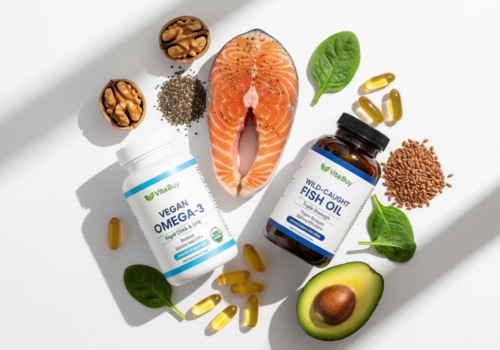
Omega-3 Fatty Acids: Powering Health from Within
Omega-3 fatty acids are a group of polyunsaturated fats that…
-
Vitamins: The Essential Building Blocks of Health
Vitamins are a class of organic compounds that your body…