 Store Locator
 Track your Order
Your cart is currently empty!


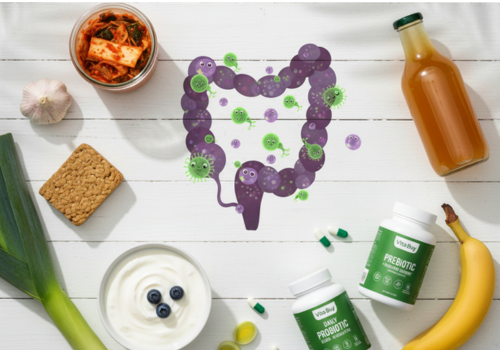
The human gut is home to trillions of microorganisms, collectively known as the gut microbiome. This complex ecosystem plays a crucial role not only in digestion but also in immunity, mood, and overall health. Probiotics, beneficial bacteria, are key players in maintaining this delicate balance.
What Are Probiotics?
Probiotics are live microorganisms that, when administered in adequate amounts, confer a health benefit on the host. Essentially, they are “good” bacteria that help populate your gut with beneficial flora, outcompeting harmful bacteria.
The Gut Microbiome: An Inner Ecosystem
Your gut microbiome is a vast community of bacteria, fungi, and other microbes. A diverse and balanced microbiome is linked to better health outcomes, while an imbalance (dysbiosis) can contribute to various health issues.
How Probiotics Work in Your Body
Probiotics function by several mechanisms: they help digest food, produce essential vitamins (like K and some B vitamins), break down toxins, strengthen the gut barrier, and communicate with the immune system, all contributing to a healthy internal environment.
Probiotics and Digestive Harmony
One of the most recognized benefits of probiotics is their role in digestive health. They can help alleviate symptoms of common digestive issues like bloating, gas, constipation, and diarrhea, by promoting regular bowel movements and improving nutrient absorption.
Strengthening the Immune System
A significant portion of your immune system resides in your gut. Probiotics enhance the body’s natural defenses by stimulating immune cells, producing antimicrobial compounds, and reducing the likelihood of harmful bacteria colonizing the gut.
The Gut-Brain Axis: A Powerful Connection
The gut-brain axis is a bidirectional communication system linking the digestive tract with the central nervous system. Probiotics can influence this axis, potentially impacting mood, stress responses, and cognitive function, earning the gut the nickname “second brain.”
Battling Antibiotic-Associated Diarrhea
Antibiotics, while vital for fighting infections, can disrupt the gut microbiome by killing off beneficial bacteria alongside harmful ones. Probiotic supplementation can help prevent and reduce the severity of antibiotic-associated diarrhea, restoring microbial balance.
Probiotics for Skin Health
Emerging research suggests a link between gut health and skin conditions like acne, eczema, and rosacea. By reducing inflammation and improving gut barrier function, probiotics may positively impact skin clarity and overall dermatological health.
Supporting Vaginal Health
Certain strains of probiotics, particularly Lactobacillus species, are crucial for maintaining a healthy vaginal microbiome. They help prevent the overgrowth of harmful bacteria and yeast, reducing the risk of common infections like bacterial vaginosis and yeast infections.
Choosing the Right Probiotic Strain
Different probiotic strains offer different benefits. It’s important to choose a supplement with specific, scientifically studied strains (e.g., Lactobacillus acidophilus, Bifidobacterium lactis) that target your particular health concerns. “CFUs” (Colony Forming Units) indicate potency.
Dietary Sources of Probiotics
Beyond supplements, many fermented foods are natural sources of probiotics. These include yogurt, kefir, sauerkraut, kimchi, kombucha, and tempeh. Look for products that specify “live and active cultures.”
Prebiotics: Fuel for Probiotics
Prebiotics are non-digestible fibers that act as food for probiotics, stimulating their growth and activity. Foods rich in prebiotics include garlic, onions, asparagus, bananas, and whole grains. Combining pre- and probiotics (synbiotics) can be highly effective.
Incorporating Probiotics into Daily Life
Adding probiotics to your routine can be as simple as consuming a daily serving of fermented foods or taking a high-quality supplement. Consistency is key to seeing long-term benefits for your gut and overall health.
Potential Side Effects
Most people tolerate probiotics well. However, some individuals may experience mild side effects initially, such as bloating, gas, or mild digestive discomfort, as their gut adjusts. These symptoms usually subside within a few days.
Probiotics: A Cornerstone of Modern Wellness
As our understanding of the gut microbiome grows, it’s clear that fostering a healthy gut is fundamental to comprehensive well-being. Probiotics offer a simple, natural way to support this internal ecosystem, leading to better digestion, immunity, and even mood.
❓ Frequently Asked Questions (FAQs)
- What’s the best time to take probiotics? Many experts suggest taking probiotics on an empty stomach (first thing in the morning or before bed) to ensure they reach the gut quickly. However, some strains are more resilient and can be taken with food. Always follow the product’s instructions.
- How long does it take for probiotics to work? The effects can vary. Some people notice improvements in digestion within a few days, while others may take a few weeks to experience significant benefits. Consistency is more important than immediate results.
- Can children take probiotics? Yes, probiotics are generally safe for children and are often recommended for issues like colic, eczema, and antibiotic-associated diarrhea. Always choose a product specifically formulated for children and consult with a pediatrician.
- Do I need prebiotics if I’m taking probiotics? While not strictly necessary, prebiotics act as “food” for probiotics, helping them thrive and colonize the gut more effectively. Combining them (often called “synbiotics”) can enhance the benefits. You can get prebiotics from food or supplements.
Latest Posts
-
Probiotics and Gut Health: The Foundation of Well-being
The human gut is home to trillions of microorganisms, collectively…
-
Omega-3 Fatty Acids: Powering Health from Within
Omega-3 fatty acids are a group of polyunsaturated fats that…
-

Vitamins: The Essential Building Blocks of Health
Vitamins are a class of organic compounds that your body…