 Store Locator
 Track your Order
Your cart is currently empty!


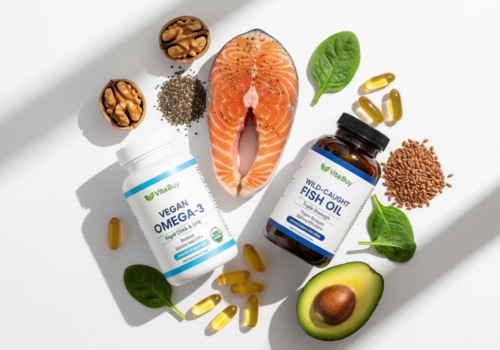
Omega-3 fatty acids are a group of polyunsaturated fats that are essential for numerous bodily functions. Often touted for their profound health benefits, they are called “essential” because our bodies cannot produce them; we must obtain them through diet.
What Are Omega-3 Fatty Acids?
Omega-3s are a type of healthy fat crucial for brain function, growth, and reducing inflammation. There are three main types: ALA (alpha-linolenic acid), found in plants, and EPA (eicosapentaenoic acid) and DHA (docosahexaenoic acid), predominantly found in marine sources.
The Significance of EPA and DHA
EPA is known for its powerful anti-inflammatory properties, supporting heart health and reducing the risk of chronic diseases. DHA is critical for brain development and function, particularly for memory and cognitive performance, as well as eye health.
ALA: The Plant-Based Omega-3
ALA is the precursor to EPA and DHA. While the body can convert some ALA into EPA and DHA, this conversion process is often inefficient. Plant-based sources of ALA include flaxseed, chia seeds, and walnuts.
Omega-3 and Cardiovascular Health
One of the most well-documented benefits of Omega-3s is their positive impact on heart health. They help reduce triglycerides, lower blood pressure, improve cholesterol levels, and prevent the formation of blood clots, significantly lowering the risk of heart disease.
Supporting Brain Function and Cognition
DHA is a major structural component of the brain and plays a vital role in brain development in infants and maintaining cognitive function throughout life. Adequate Omega-3 intake is linked to improved memory, focus, and a reduced risk of age-related cognitive decline.
The Role in Eye Health
DHA is also a major structural component of the retina of the eye. Sufficient intake of Omega-3s can help prevent macular degeneration, a leading cause of permanent eye damage and blindness.
Reducing Inflammation Throughout the Body
Omega-3s are powerful anti-inflammatory agents. Chronic inflammation is a root cause of many diseases, including heart disease, arthritis, and certain cancers. Regular intake of Omega-3s can help manage and reduce systemic inflammation.
Omega-3 for Mental Well-being
Emerging research suggests a strong link between Omega-3s and mental health. They may help alleviate symptoms of depression and anxiety, and support overall mood regulation by influencing neurotransmitter pathways in the brain.
Supporting Joint Health and Mobility
Due to their anti-inflammatory properties, Omega-3s can be beneficial for individuals with joint pain and stiffness, particularly those with rheumatoid arthritis. They can help reduce inflammation in the joints, improving comfort and mobility.
Omega-3s During Pregnancy and Childhood
DHA is crucial for the optimal brain and eye development of babies, both during pregnancy and in early infancy. Supplementation for pregnant and breastfeeding mothers is often recommended to support fetal and infant growth.
Dietary Sources of Omega-3s
The richest sources of EPA and DHA are fatty fish like salmon, mackerel, tuna, sardines, and herring. For ALA, good plant-based options include flaxseeds, chia seeds, walnuts, and canola oil.
Omega-3 to Omega-6 Ratio
In modern diets, there is often an imbalance with too much Omega-6 and not enough Omega-3. Maintaining a healthier Omega-3 to Omega-6 ratio is important for managing inflammation and overall health.
Choosing the Right Omega-3 Supplement
When selecting a supplement, look for high-quality fish oil or algal oil (for vegetarians/vegans) that provide significant amounts of EPA and DHA. Check for third-party testing to ensure purity and potency, and consider sustainability.
Potential Side Effects and Precautions
While generally safe, high doses of Omega-3s can cause minor side effects like fishy aftertaste, indigestion, or loose stools. They can also thin the blood, so individuals on blood-thinning medications should consult a doctor before supplementing.
Omega-3s: A Foundation for Holistic Wellness
Incorporating Omega-3 fatty acids into your daily routine, whether through diet or supplementation, is a proactive step towards promoting heart, brain, and overall cellular health. They are truly foundational nutrients for a vibrant life.
❓ Frequently Asked Questions (FAQs)
- What’s the difference between EPA and DHA? EPA (eicosapentaenoic acid) is primarily known for its anti-inflammatory effects and benefits for heart health. DHA (docosahexaenoic acid) is crucial for brain structure and function, vision, and cognitive development.
- How much Omega-3 should I take daily? The recommended daily intake varies. For healthy adults, generally 250-500 mg of combined EPA and DHA is recommended. For specific health conditions, higher doses may be advised by a healthcare professional.
- Can vegetarians/vegans get enough Omega-3s? Yes, but it requires conscious effort. Plant-based sources like flaxseeds and chia seeds provide ALA. However, since ALA conversion to EPA/DHA is inefficient, a high-quality algal oil supplement (which contains pre-formed EPA and DHA) is often recommended for vegetarians and vegans.
- Are there any side effects of taking Omega-3 supplements? Mild side effects can include a fishy aftertaste, indigestion, or loose stools. High doses can also increase the risk of bleeding. If you’re on blood thinners or have a bleeding disorder, consult your doctor.
Latest Posts
-

Probiotics and Gut Health: The Foundation of Well-being
The human gut is home to trillions of microorganisms, collectively…
-
Omega-3 Fatty Acids: Powering Health from Within
Omega-3 fatty acids are a group of polyunsaturated fats that…
-

Vitamins: The Essential Building Blocks of Health
Vitamins are a class of organic compounds that your body…